Has a Sudden Wave of Fear Ever Seemed to Come Out of Nowhere?
Has your heart ever started racing for no apparent reason?
Have you suddenly felt dizzy, short of breath, shaky, or disconnected from your surroundings?
Did you wonder if you were having a heart attack, losing control, or about to pass out?
If so, you are not alone. Millions of people experience panic attacks every year. This article explains why panic attacks can seem to come out of nowhere and how panic attack treatment NYC can help you break the cycle of fear and regain confidence. A panic attack is a sudden surge of intense fear accompanied by physical symptoms such as a racing heart, chest tightness, sweating, trembling, dizziness, nausea, or shortness of breath. Although panic attacks can feel dangerous, they are not harmful.
One of the most confusing aspects of panic attacks is that they often seem to occur without warning. Many people tell themselves, “Nothing stressful was happening. Why did this happen?” The experience can be so frightening that they begin searching for answers and eventually seek panic attack treatment NYC services because they fear another attack could happen at any moment.
The good news is that panic attacks do not happen randomly. Understanding what causes them is often the first step toward recovery. This article will explain how to choose the right therapist to treat panic disorder and agoraphobia
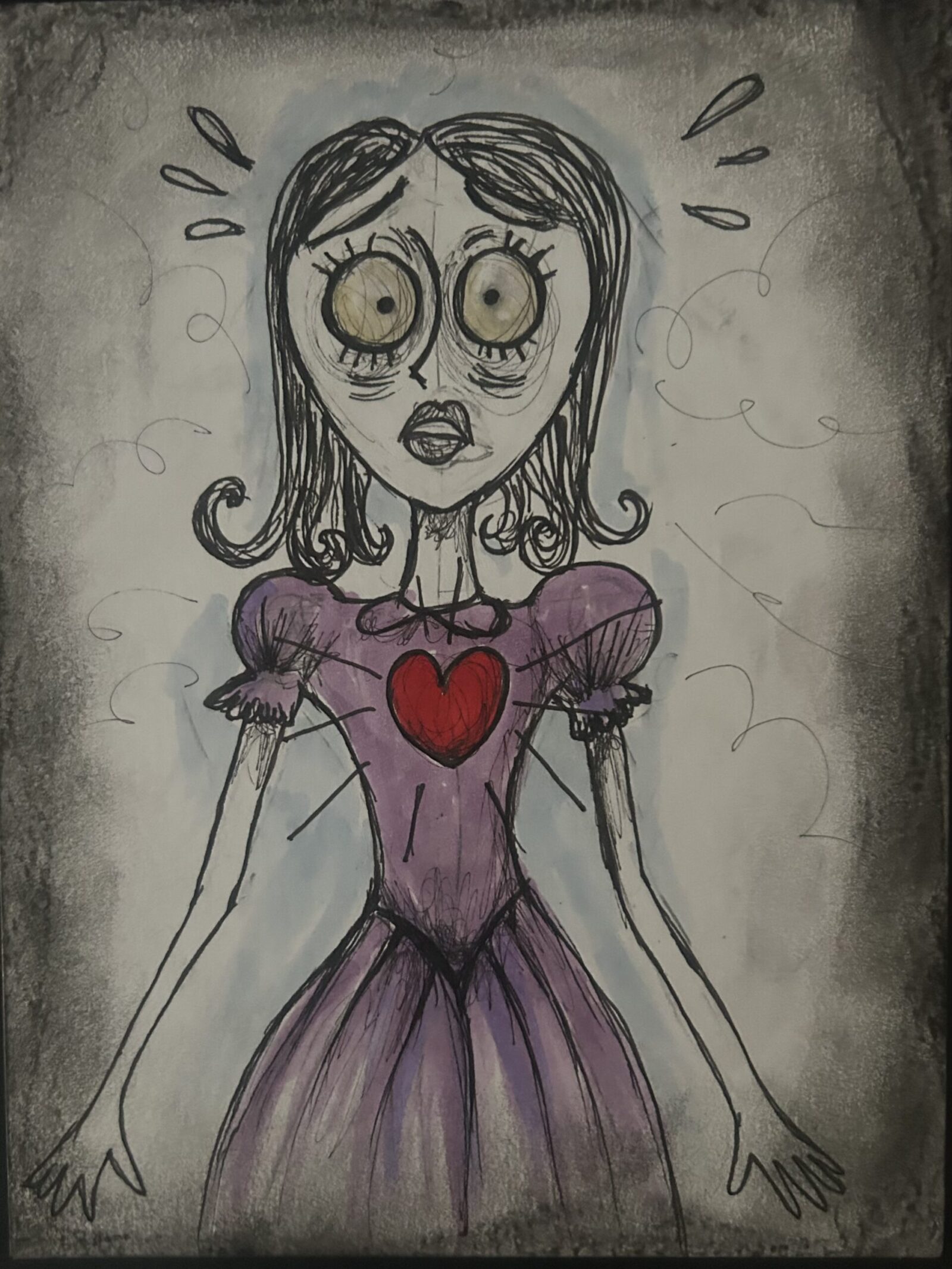
Panic Attacks Are More Common Than Most People Realize
Many people who experience panic attacks believe something is seriously wrong with them. They may feel embarrassed, confused, or afraid to discuss their symptoms with others.
In reality, panic attacks are extremely common. They can occur during periods of stress, major life transitions, health concerns, relationship difficulties, or even seemingly ordinary moments. Some people experience a single panic attack and never have another. Others develop an ongoing fear of future attacks.
One reason panic attacks are so distressing is that the body’s alarm system is incredibly powerful. When the brain perceives danger, it activates the fight-or-flight response. Adrenaline is released, heart rate increases, breathing changes, and muscles prepare for action.
This response is useful when facing a real threat. However, during panic attacks, the alarm system misfires. The body reacts as though there is danger even when no actual threat exists.
Many individuals who seek panic disorder treatment NYC services are surprised to learn that their symptoms are not signs of weakness. Instead, they are signs of a nervous system that has become overly sensitive to certain physical sensations, thoughts, or situations.
The encouraging news is that panic disorder therapy NYC can help retrain the brain and body so they no longer respond with overwhelming fear.
What Actually Causes Panic Attacks?
The Fight-or-Flight Response
At the core of every panic attack is the body’s natural survival system.
Your brain is constantly scanning for danger. When it detects a threat, it activates the fight-or-flight response. During panic attacks, harmless sensations may be misinterpreted as dangerous.
For example, you may notice:
- A skipped heartbeat
- Slight dizziness
- Increased breathing
- Warmth in your chest
- Muscle tension
Most people would dismiss these sensations. However, individuals prone to panic often become alarmed by them.
A thought such as “What if something is wrong?” can quickly trigger a cascade of anxiety symptoms.
Fear of Physical Sensations
Many people assume panic attacks are caused by stress alone. While stress can play a role, what often maintains panic is fear of the symptoms themselves.
Imagine feeling your heart beat faster after climbing stairs.
If you interpret that sensation as normal, nothing happens.
If you interpret it as dangerous, anxiety increases. Your heart beats faster. You become more alert. More symptoms appear. Soon a full panic attack may develop.
This cycle is one reason therapist for panic attacks NYC specialists often focus on helping clients change their relationship with physical sensations.
Catastrophic Thinking
Another common contributor to panic attacks is catastrophic thinking.
People experiencing panic may worry:
- “I’m having a heart attack.”
- “I’m going crazy.”
- “I’m going to faint.”
- “I’m losing control.”
These thoughts increase fear, which increases symptoms, which creates even more fear.
Over time, the brain begins associating certain sensations with danger, making future panic attacks more likely.
Why Do Panic Attacks Keep Coming Back?
For many people, the first panic attack is not the biggest problem.
The fear of having another one becomes the real issue.
After experiencing a panic attack, people often begin monitoring their bodies for signs of danger. They become hyperaware of every heartbeat, breath, or physical sensation.
They may avoid:
- Crowded places
- Public transportation
- Driving
- Exercise
- Traveling
- Being far from home
Unfortunately, avoidance teaches the brain that these situations are dangerous.
This creates a self-perpetuating cycle that often leads people to seek panic disorder treatment NYC because their world gradually becomes smaller.
In some cases, this avoidance develops into panic disorder with agoraphobia, where individuals fear situations in which escape might be difficult if panic symptoms occur.
When Panic Attacks Become Panic Disorder
Experiencing a panic attack does not automatically mean you have panic disorder.
Panic disorder develops when a person becomes persistently worried about future attacks and significantly changes their behavior because of that fear.
Signs of panic disorder may include:
- Recurrent panic attacks
- Constant fear of another attack
- Avoiding certain places or situations
- Excessive monitoring of bodily sensations
- Significant disruption to daily life
When this happens, working with a panic disorder therapist NYC can help address both the panic attacks and the fear that keeps them going. Learn more about How Panic Disorder and Agoraphobia Become Connected Through Fear and Avoidance
How Panic Disorder Is Treated
The most effective treatments focus on breaking the fear cycle.
CBT for panic attacks helps people identify and challenge the thoughts that fuel panic. Clients learn to recognize catastrophic interpretations and respond differently to physical sensations.
ERP for panic disorder takes treatment a step further by helping individuals gradually face feared sensations and situations. Rather than avoiding symptoms, clients learn that they can tolerate them safely. Read this article to learn how ERP helps panic disorder and agoraphobia.
For example, a therapist may guide someone through exercises that intentionally create mild dizziness, increased heart rate, or shortness of breath. Over time, these sensations lose their power.
This approach can be incredibly effective because the brain learns that panic symptoms are uncomfortable but not dangerous.
Whether you are looking for panic attack treatment NYC or New York panic disorder therapy NYC, or panic attack help NYC, evidence-based therapy can help you regain confidence and reduce fear.
Frequently Asked Questions
What causes panic attacks to happen suddenly?
Panic attacks often occur when the brain misinterprets physical sensations, thoughts, or situations as dangerous, triggering the fight-or-flight response.
How Do I find a panic disorder therapist in NYC?
When looking for panic disorder treatment in NYC it is important to find a therapist experienced in using interoceptive exposure and in vivo exposure . Read this article for guidance on how to find a therapist who treats panic and agoraphobia
Can panic attacks happen for no reason?
They may appear random, but there is usually an underlying trigger, such as stress, physical sensations, learned fear patterns, or heightened anxiety sensitivity.
Are panic attacks dangerous?
Panic attacks feel frightening but are not dangerous. They do not cause heart attacks, suffocation, or loss of control.
How long do panic attacks last?
Most panic attacks peak within 10 to 20 minutes, although lingering anxiety may persist longer.
What is the difference between a panic attack and panic disorder?
A panic attack is a single episode of intense fear. Panic disorder involves ongoing fear of future attacks and behavioral changes related to that fear
Can panic disorder occur with other mental health conditions?
Yes. Panic disorder commonly occurs alongside other anxiety and mental health conditions. Treating both conditions together is often important for long-term recovery. Common co-occurring conditions include:
- Obsessive-Compulsive Disorder (OCD) You may also read this article to learn how OCD, panic attacks and agoraphobia can occur together
- Agoraphobia
- Social anxiety Disorder
- Generalized Anxiety Disorder (GAD)
- Health Anxiety
- Post-Traumatic Stress Disorder (PTSD)
- Depression
- Specific Phobias
Can panic disorder be treated?
Yes. Panic disorder treatment NYC often includes CBT, ERP, and other evidence-based approaches that can significantly reduce symptoms.
You Don’t Have to Live in Fear of Panic
If panic attacks are affecting your daily life, help is available. With the right support, it is possible to break free from the cycle of fear, avoidance, and uncertainty.
Whether you are struggling with occasional panic attacks, persistent anxiety, or panic disorder with agoraphobia, effective treatment can help you regain confidence and return to the activities that matter most to you.
If you are looking for panic attack treatment NYC or panic disorder therapy NYC, reach out to schedule a consultation and learn how therapy can help.
You Don’t Have to Keep Living in Fear of the Next Panic Attack
Many people with panic disorder spend years avoiding situations, monitoring their bodies, and wondering when the next panic attack will strike. Recovery is possible. If you are ready to learn effective strategies for managing panic and reducing avoidance, reach out today to schedule a consultation. I provide therapy for panic disorder, panic attacks, and related anxiety conditions for adults in New York and Florida.
About the Author
About the Author
Eliana Bonaguro, LMHC, is a licensed mental health counselor serving clients in New York and Florida. She specializes in OCD, panic disorder, anxiety disorders, and Exposure and Response Prevention (ERP). Eliana has completed advanced training through the Beck Institute of Cognitive Behavioral Therapy and is a member of the International OCD Foundation (IOCDF). She provides evidence-based therapy to help clients overcome anxiety, panic, and obsessive-compulsive symptoms and reclaim their lives.
If you are ready to embark on your healing journey and want to learn more about. My approach visit Panic disorder treatment New York. Or Panic Disorder Treatment Florida.